CHANGE THE WAY WE GROW FOOD
There is not enough arable land left to produce the amount of food that will be required to feed our population in 2050.
Certain types of foods can be grown in non-traditional farming environments, if we move production of those crops away from the farmland, we allow farmers to restore the health of abused soil via Regenerative Agriculture and reverse climate change while meeting the demand for such products.
Vertical Farming - Let's go UP instead of sideways
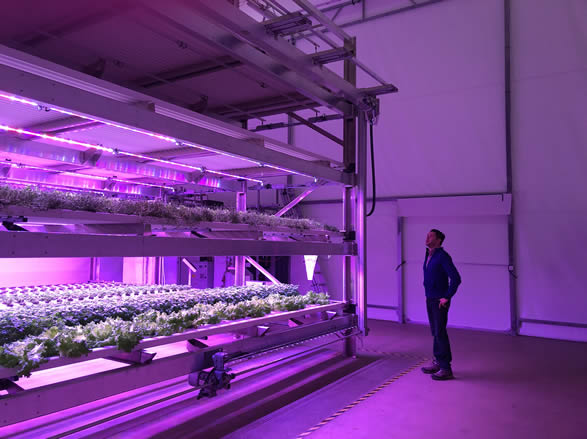
Vertical farming is the practice of growing crops indoors, in vertical stacked layers and in a controlled environment which aims to optimize plant growth and minimize its impact on the environment.
Vertical farming technology has come a long way in the last few years and continues to evolve. Its market size was valued at $2.23 billion in 2018, and is projected to reach $12.77 billion by 2026.
Huge improvements in LED technology continue to drive down the cost of operation of vertical farms, making this a feasible and sustainable solution.
How is it better?
Move production closer
to where people live
By 2050, around 80 percent of the world population is expected to live in urban areas, and the growing population will lead to an increased demand for food. The efficient use of vertical farming will play a significant role in preparing us for such a challenge.
Long supply chains not only produce a lot of waste but also reduce the nutritional value of the products we consume.
Conventional Supply Chain for "Local" "In-Season" Produce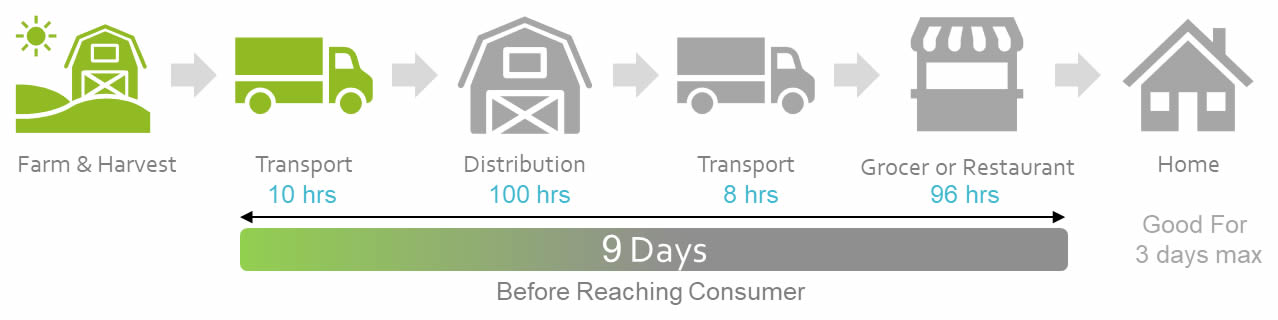
By moving production closer to where people live, we can guarantee product freshness, nutritional value and minimize its carbon footprint. The product you take home will be fresh for longer, further minimizing waste.
Our Goal is to achieve "Same Day Harvest to Retail"
Improved WholeSale Supply Chain
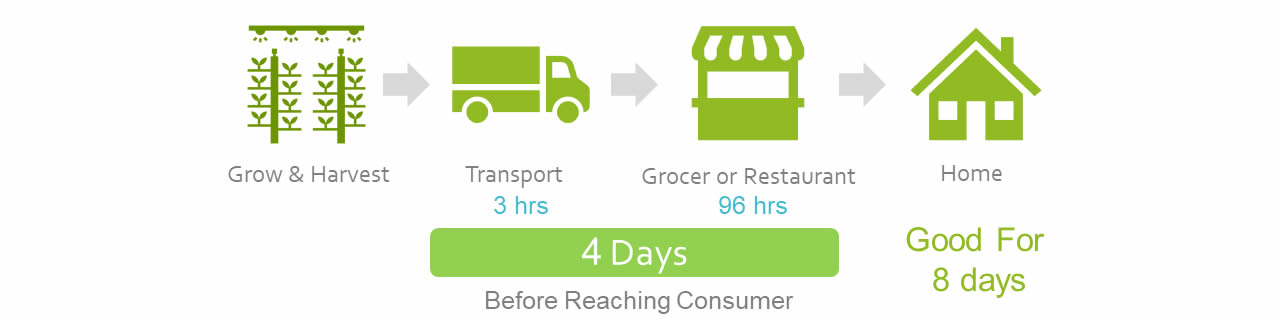
Improved Retail Supply Chain

Isolated comunities
Communities that are isolated by distance or weather can also benefit from local production; we can produce their food on site year-round reducing the need to fly-in their product. This would guarantee year-round supply, freshness, nutritional value, and cost.
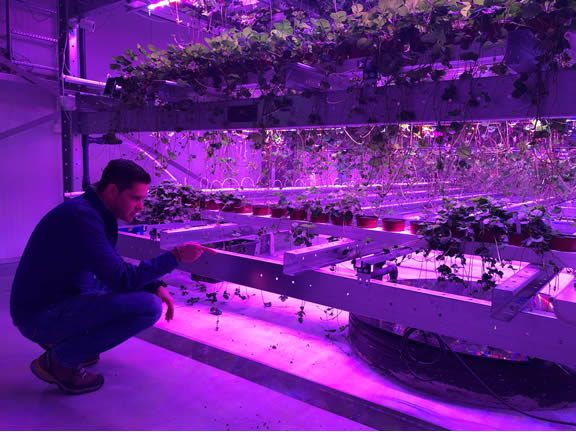
Successfully growing greens and strawberries Year-round. Outside temperature -50c
Reconnect consumers with their food
We have lost touch with those who grow our food and how they grow it. If we reconnect consumers with their food, they become accountable for their purchasing habits and start making informed decisions.
- By having production close by, we can host “open house” days where people can:
- Learn about vertical farming and the role it plays on stopping climate change
- Learn about sustainable and responsible farming
- Learn how their greens are produced (full transparency)
- Learn about the benefits of a balanced meal and importance of eating greens and vegetables
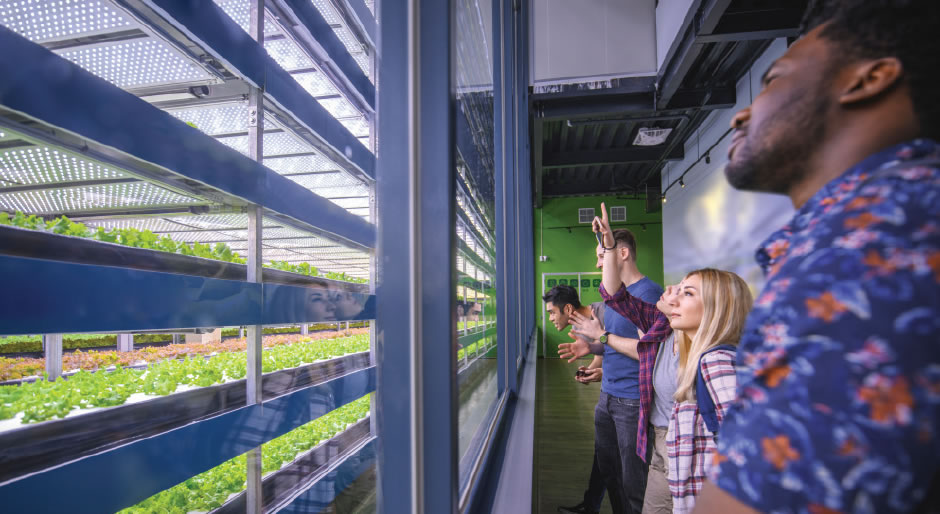
- We can also work with educational institutions:
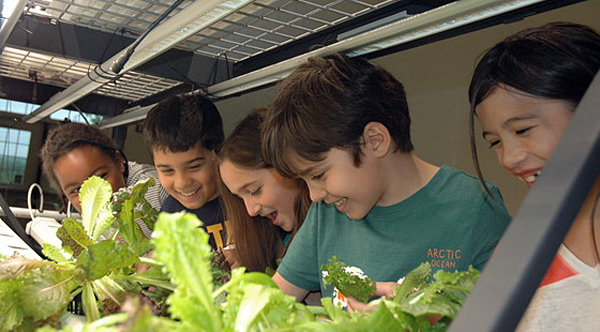
- Ongoing programs for school age kids on responsible and sustainable farming
- Develop a post secondary curriculum on “new age farming”