ENVIRONMENTAL IMPACT
The way we grow food hasn't changed much in the last 100 years, but the way we live has changed drastically.
We have destroyed entire ecosystems to make room for more farmland and the toxic runoff due to the application of Pesticides, Herbicides and other chemicals is contaminating our waterways and oceans.
Half of the world's habitable land has been set aside for growing food and yet no matter what we do we cannot keep up with the increasing demand.
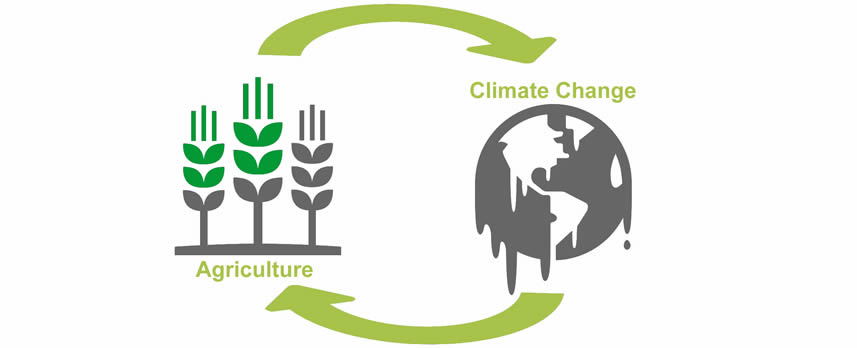
Industrial agriculture is completely dependent on the weather, which has become unpredictable due to climate change. So erroneously, to offset this, every day we burn immense amounts of fossil fuels to support agricultural operations and food distribution.
Supply Chain and Waste
Food wastage occurs at every step of the supply chain. Between harvest and consumption, food has to pass through a complex supply chain, often traveling to and from various processing or storage facilities before it ends up in the hands of retailers, and later consumers. Because of the perishable nature of food, a lot can go wrong during transportation
 Supply Chain latency for “Local” produce
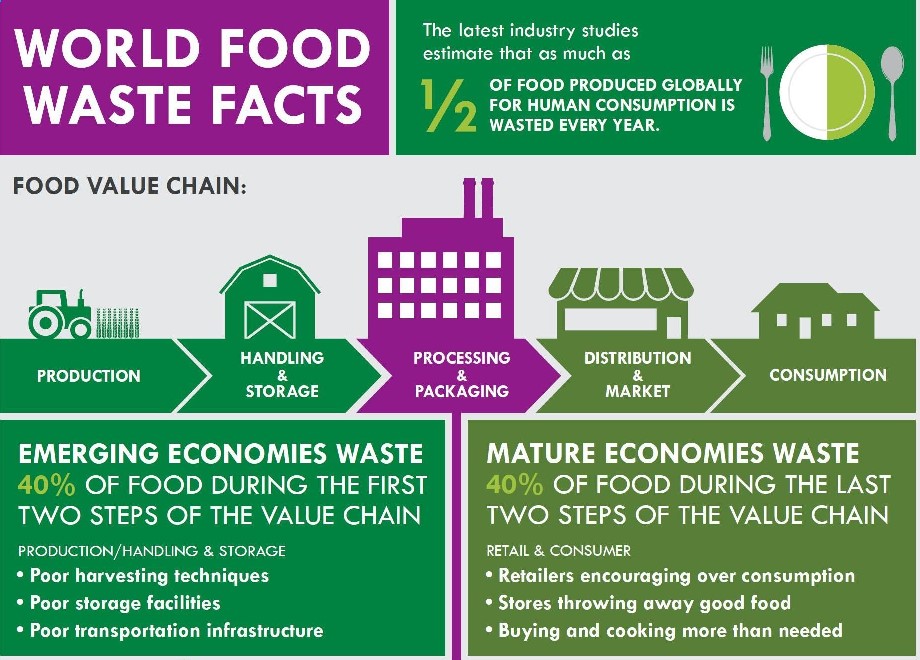
According to data from the United States, Canada, Australia, and New Zealand that was collected by the Natural Resources Defense Council (NRDC), 20% of fruit and vegetables are lost during production, 12% are lost at the distribution and retail level, and a further 28% are lost at the consumer level.
The environmental impact of food waste cannot be undersold. As food rots in a landfill, it emits methane, a greenhouse gas 28 to 36 times more potent than the carbon that comes out of passenger vehicles.
Landfills are the third-largest industrial emitter of methane, with food waste alone representing 8 percent of total global greenhouse gas (GHG) emissions.
Food loss and waste accounts for about 4.4 gigatons of greenhouse gas emissions each year. Let’s put that number into perspective…
While it is possible to offset the harm of these emissions through organics recycling, composting, and anaerobic digestion, the best way to reduce these emissions is to waste less food in the first place.
 credit: packagingtoday.co.uk
Another major cause of food waste is a misalignment of supply and demand. Crops are often overplanted and left behind in the field, retailers often downsize product orders at the last minute, and consumers often buy more than they need at home. Waste due to overproduction alone can reach up to 56% of a company’s total output. This typically occurs when supermarkets make large-quantity forecast orders in advance, but won’t confirm the order until 24 hours prior to delivery date—often lowering the amount at the last minute. The manufacturer, which produces the large quantity ahead of time, is then left with a surplus and no one to sell to. In this scenario, not only is the food lost, the energy and resources that went into making the products are also lost.
Aging Farmers
The world’s farming population is growing older. As young people increasingly chose city life, who is going to grow our food?
The future of farming, and of farmers, is not as secure as we might expect. The odds are that the farmers who grew the food for your next meal have the majority of their careers behind them. The average age of a North American farmer in 2012 was 62 years old and most have no succession plan.
Population Growth
The United States Department of Agriculture predicts the worldwide population to exceed 9 billion by 2050, most of which will be living in urban or city areas.
To feed that population, crop production will need to double.
Today one in nine people are undernourished, every day the world population increases by more than 200,000 people. Land available for farming is limited and running out.